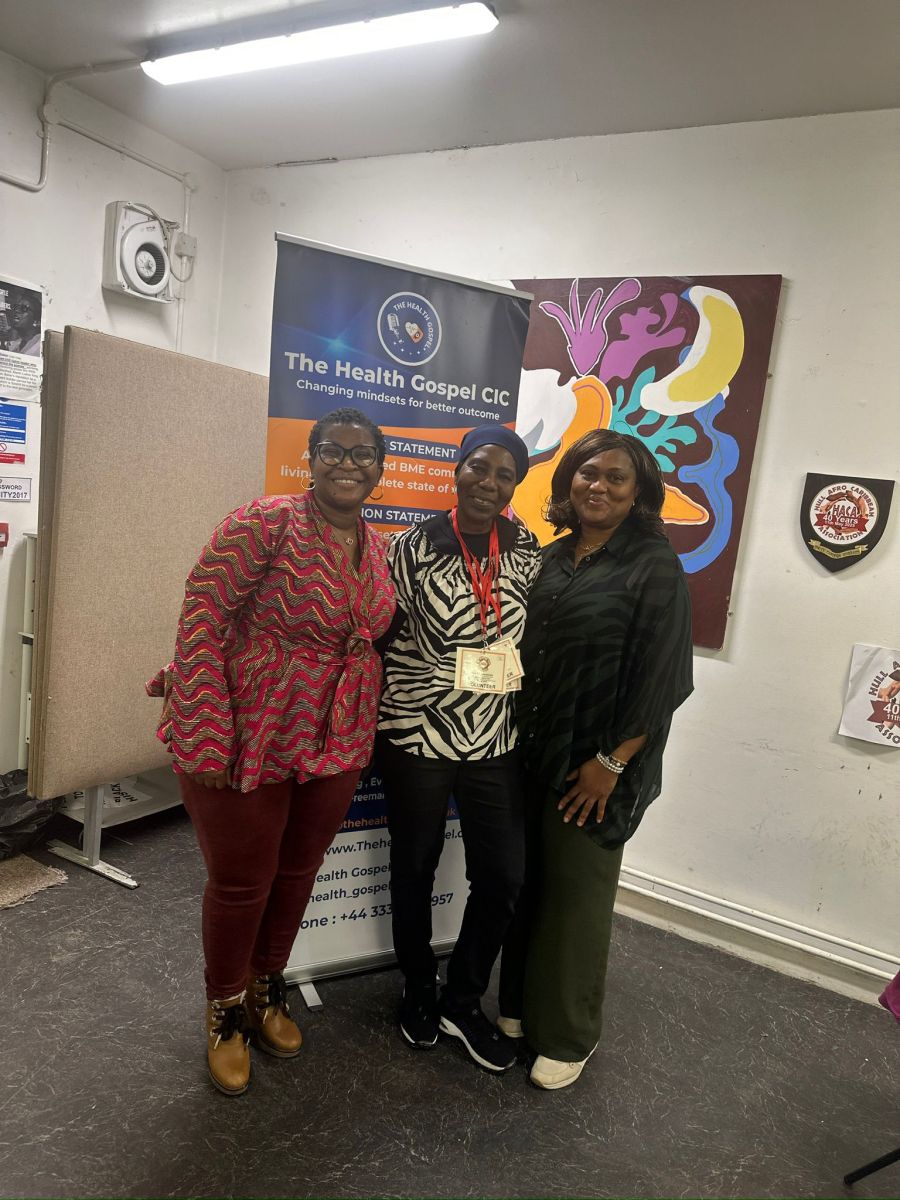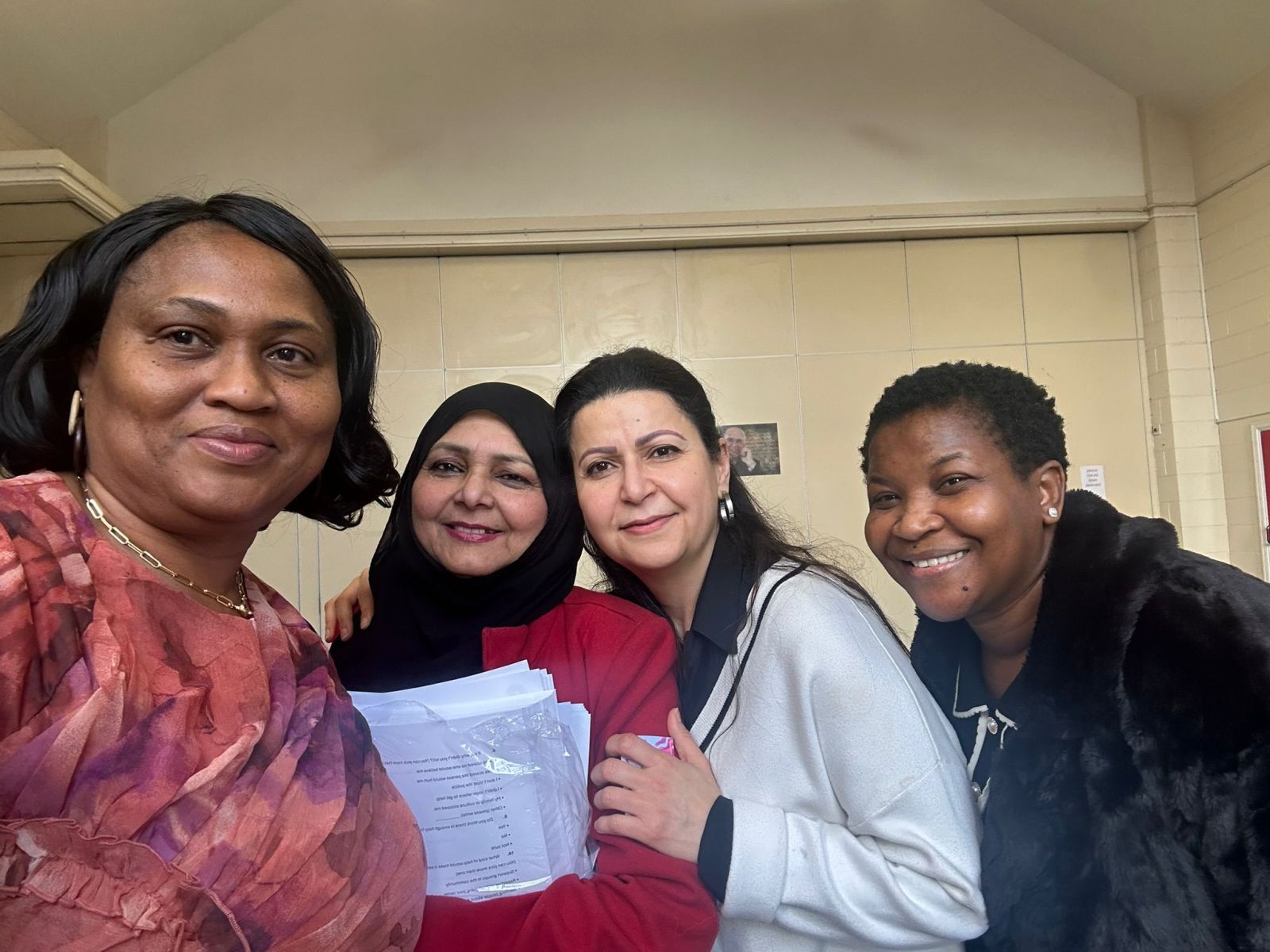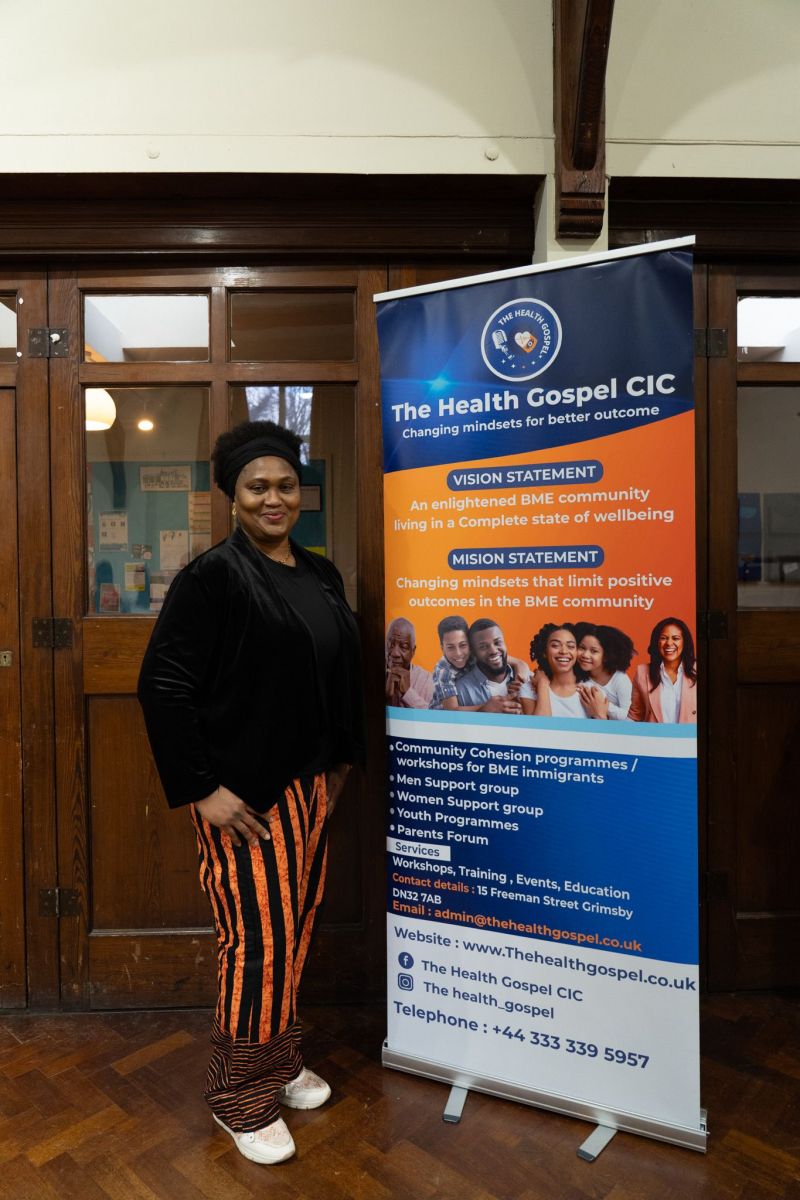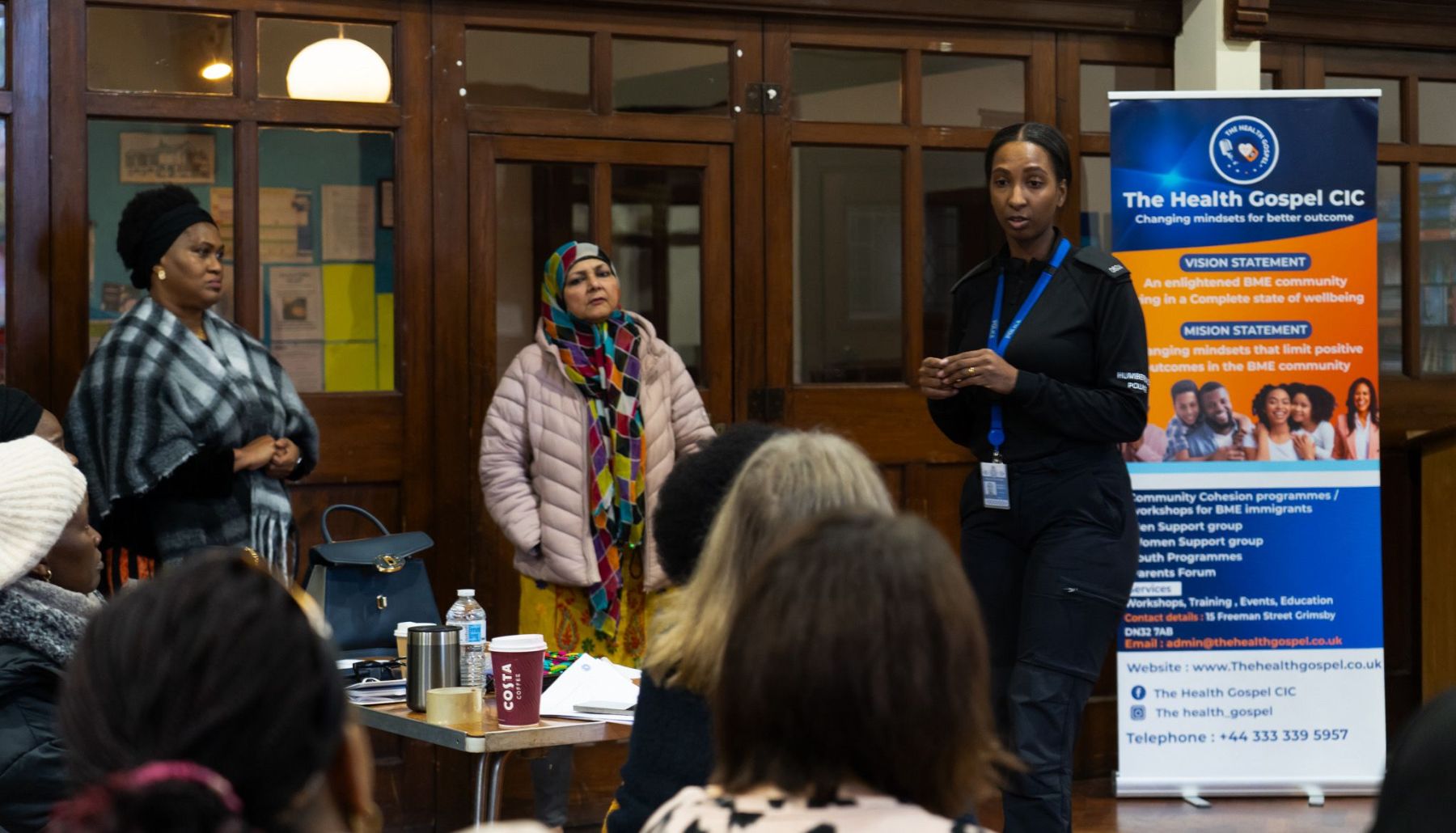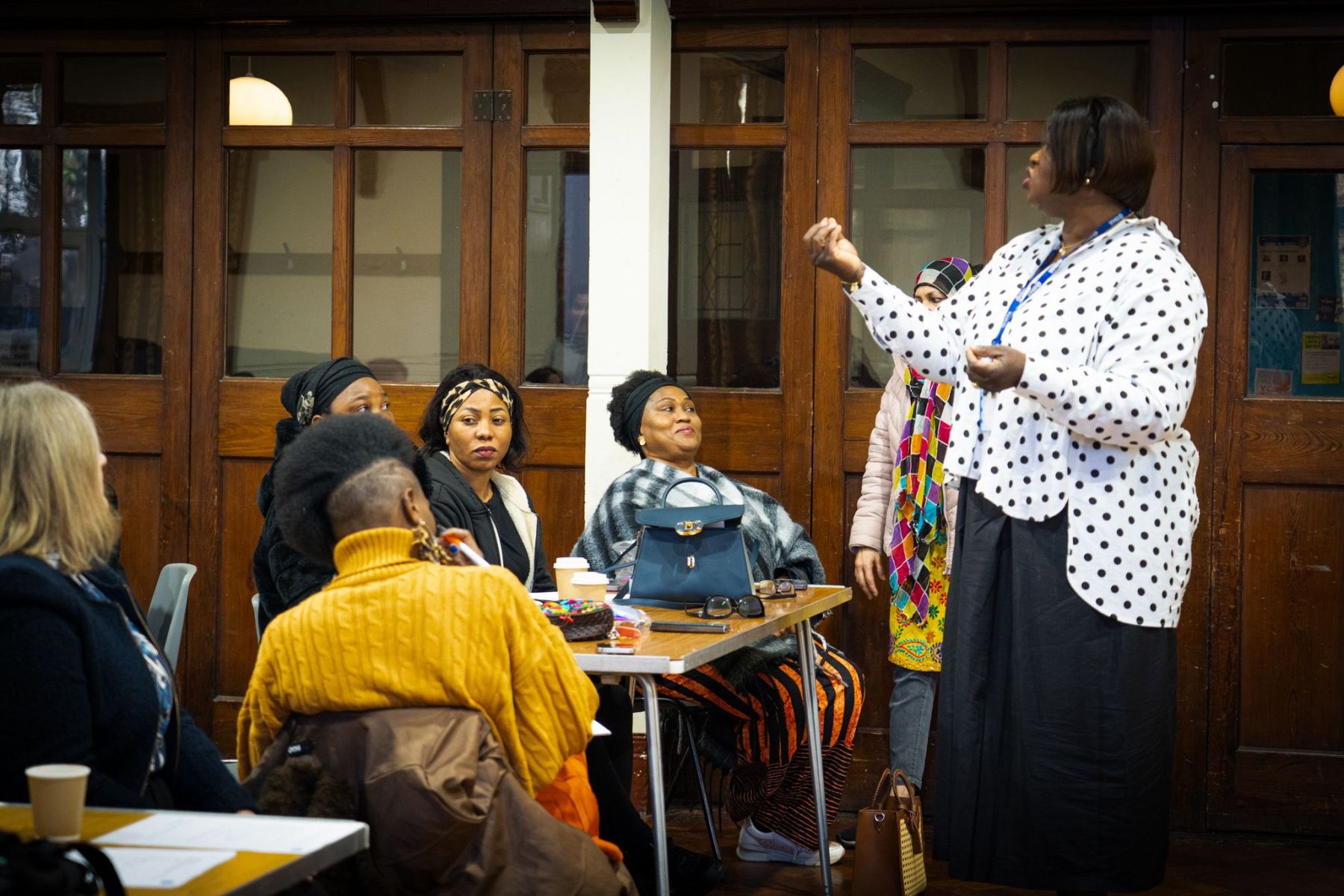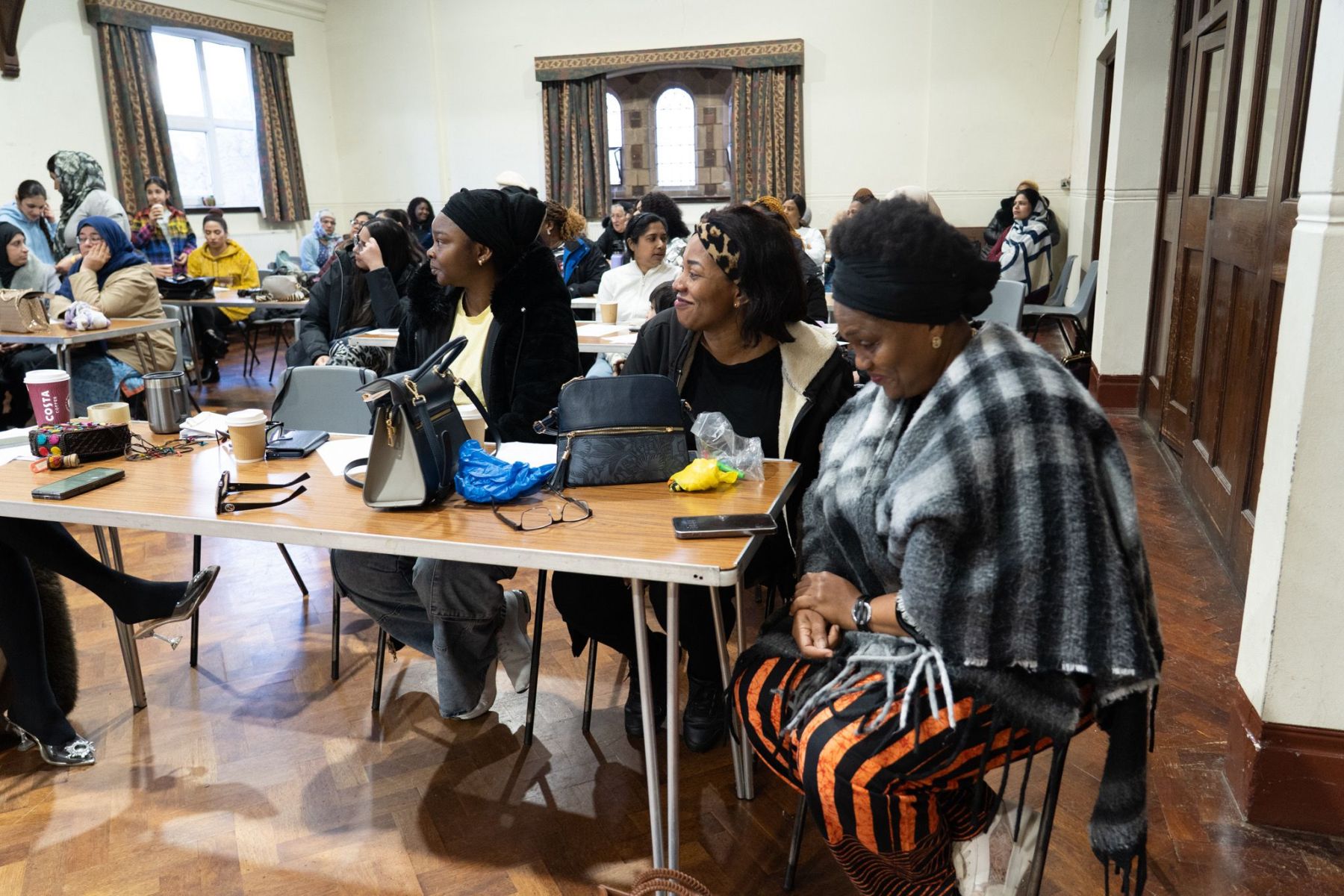
Funded by the Humberside Office of the Police and Crime Commissioner (OPCC), the Breaking Barriers Project was commissioned to tackle the barriers leading to the underreporting of domestic abuse amongst Black and Black Asian Minority Ethnicity (BAME) women living in Grimsby, Scunthorpe, and Hull. The Health Gospel CIC was appointed to design, deliver, and develop the unique methodology that brought this project to life.
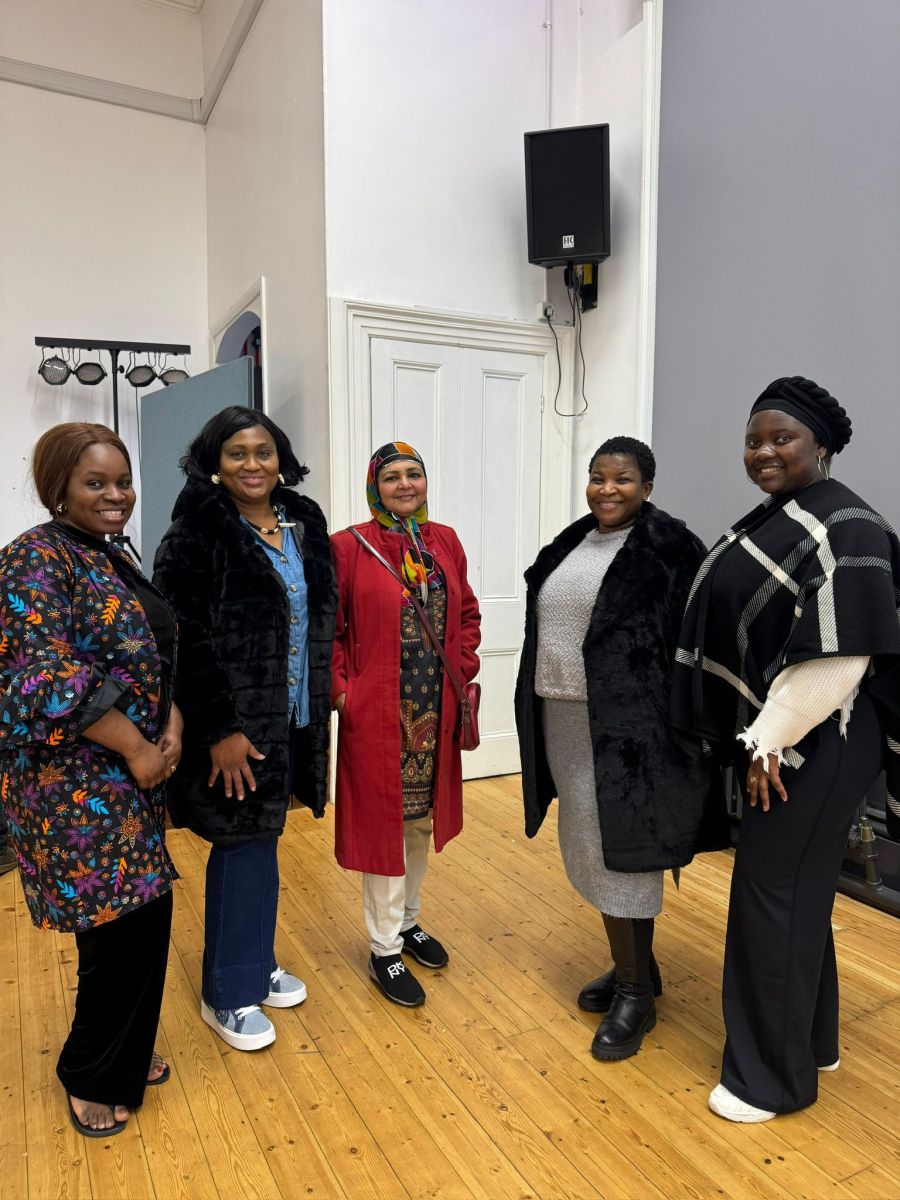
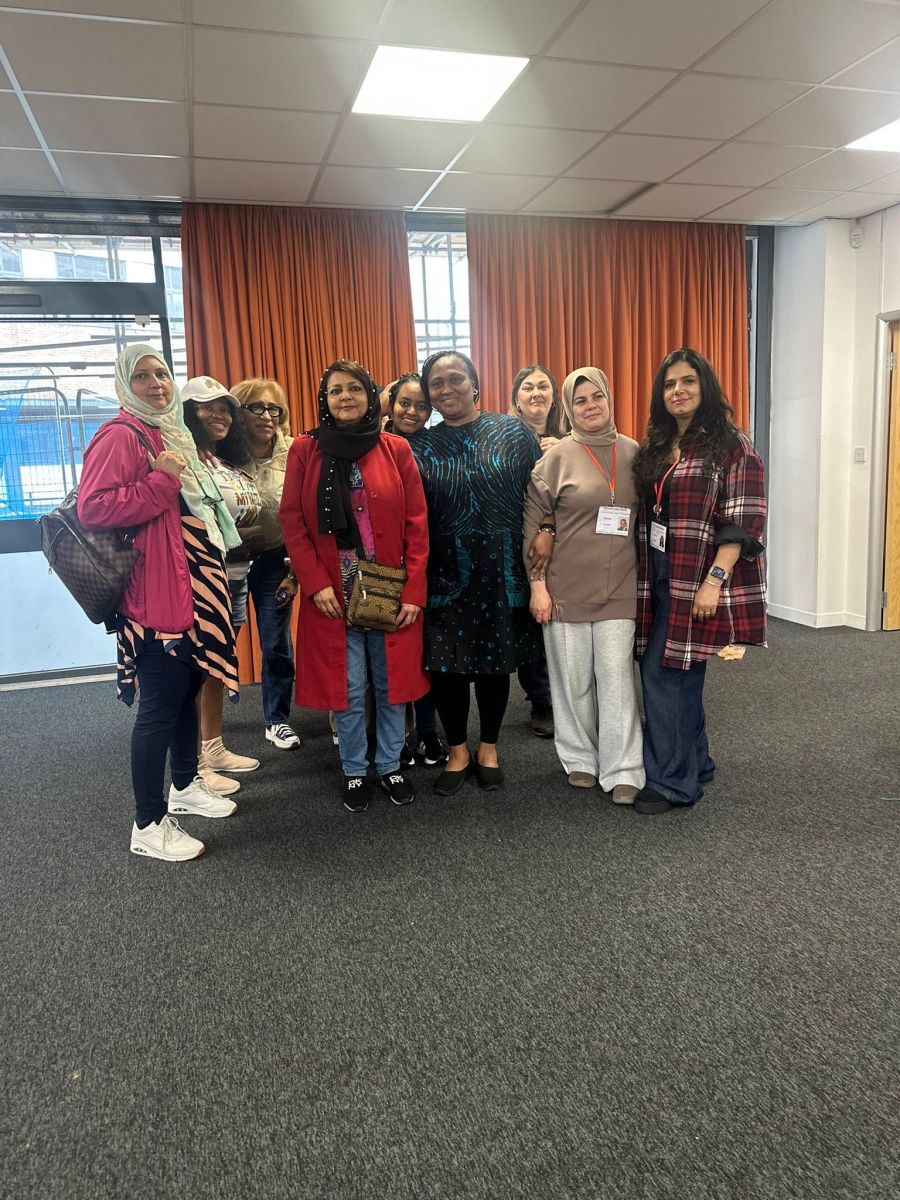
As the anchor community integrator for this programme, The Health Gospel CIC played a central role in bringing together a network of community partners, organisations, and professionals, rallying them around a shared mission and ensuring the project was delivered with impact, coherence, and genuine community trust at its core.
Delivered across three regions, the project was built on a simple but powerful belief: that working directly with communities is the only way to truly understand their needs and to create the kind of change that lasts.
- REGIONS 3
- WOMEN REACHED – 700 Plus
- FUNDED BY OPCC
Anchor Community Integration
The Health Gospel CIC’s role went far beyond programme management. As the anchor community integrator, THG designed the programme from the ground up identifying the right community partners, building the networks needed to reach the most vulnerable women, and creating the conditions for authentic, meaningful engagement.
This approach rooted in trust, collaboration, and deep community knowledge is what set the Breaking Barriers Project apart. It is a model that demonstrates what becomes possible when a community-led organisation takes the lead.
A Unique Methodology
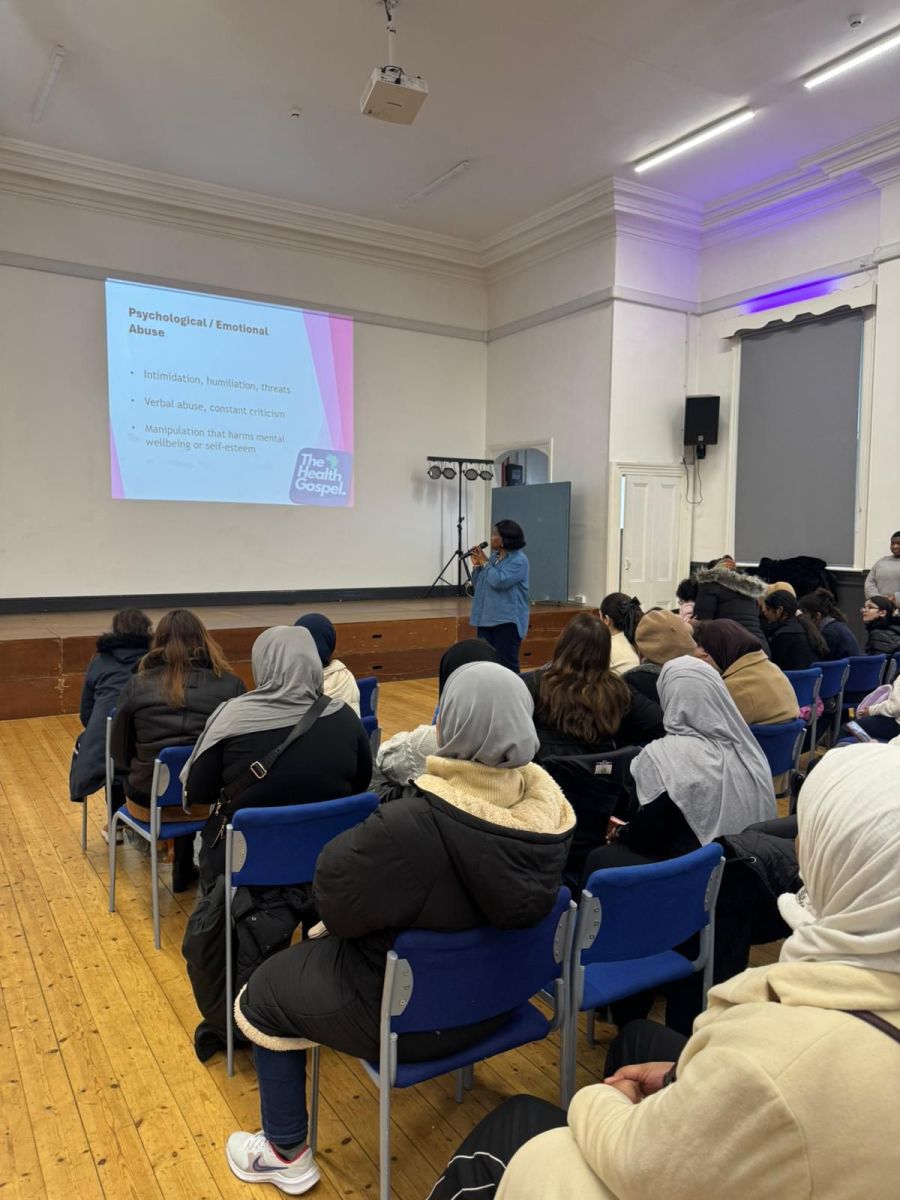
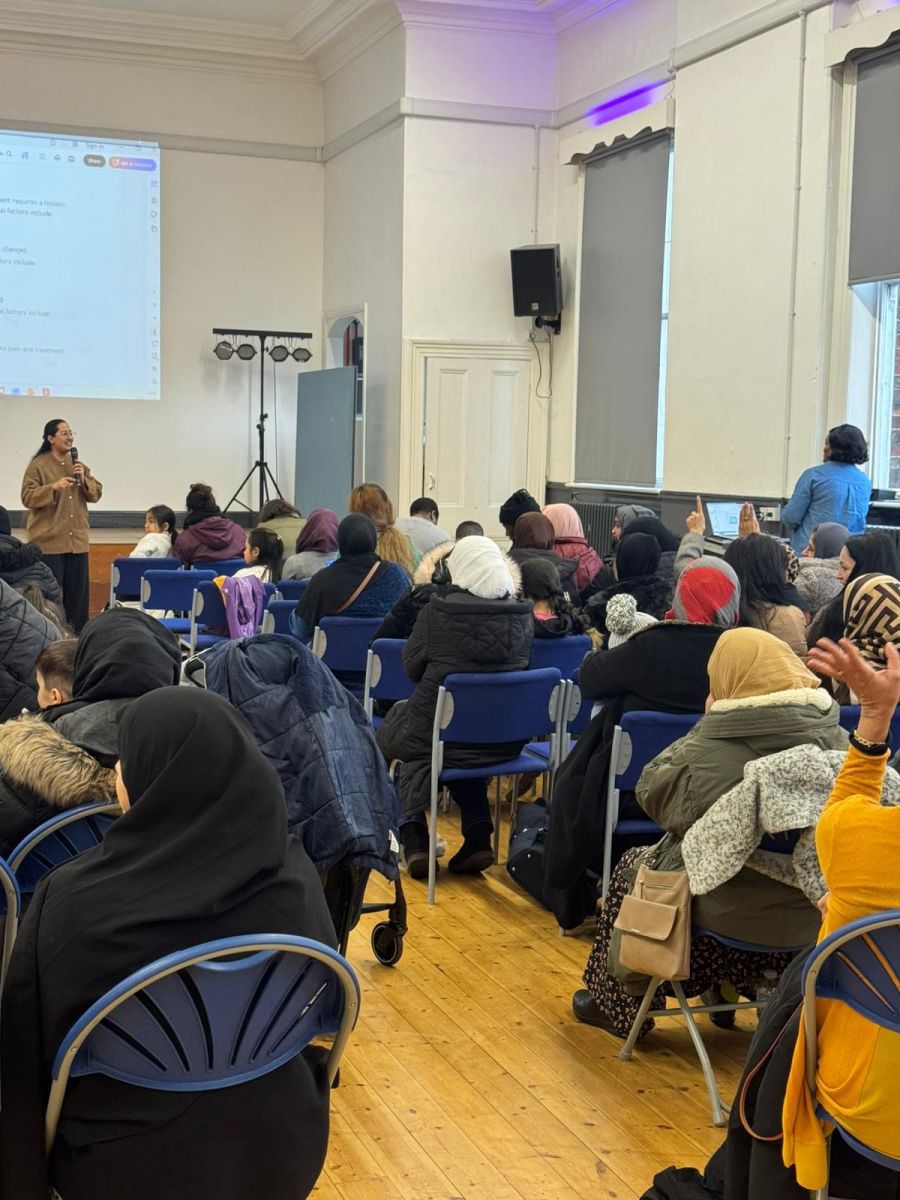
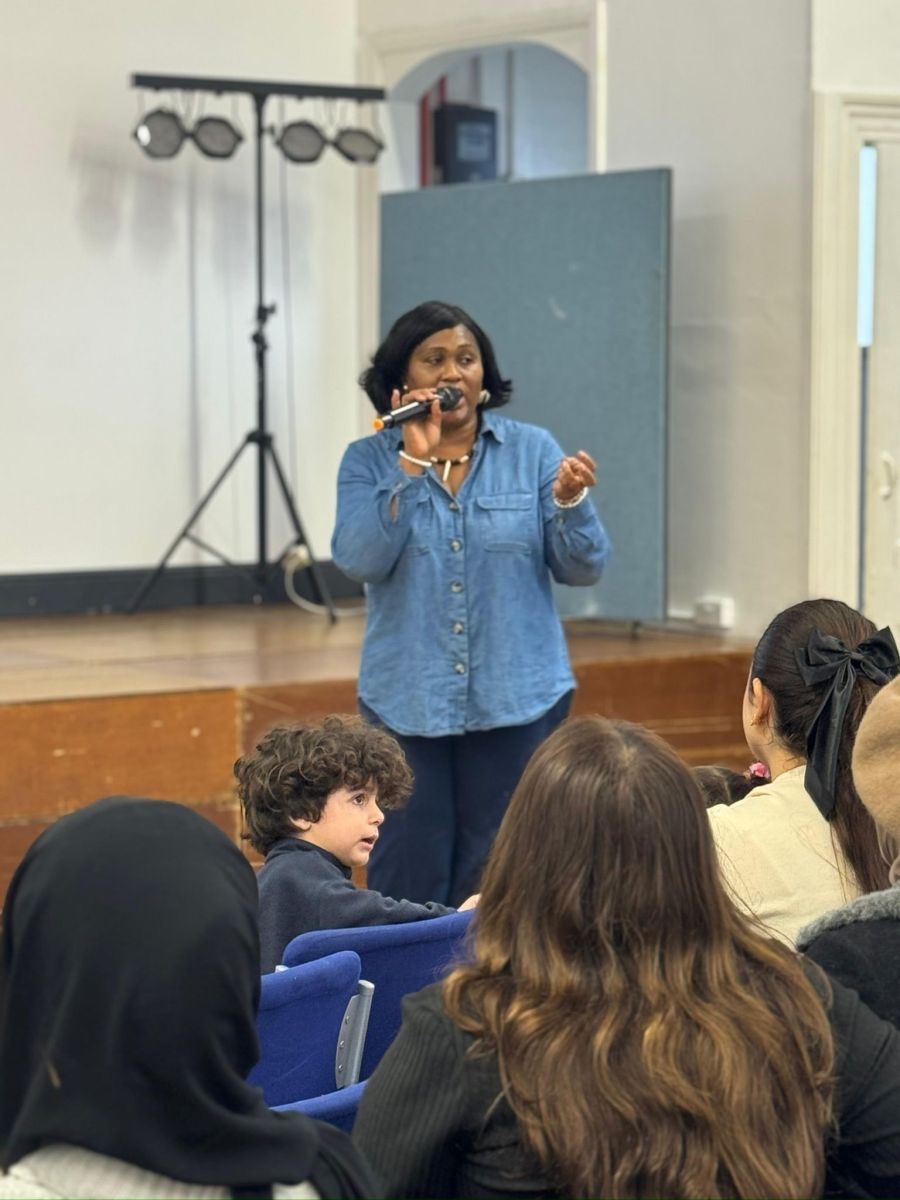
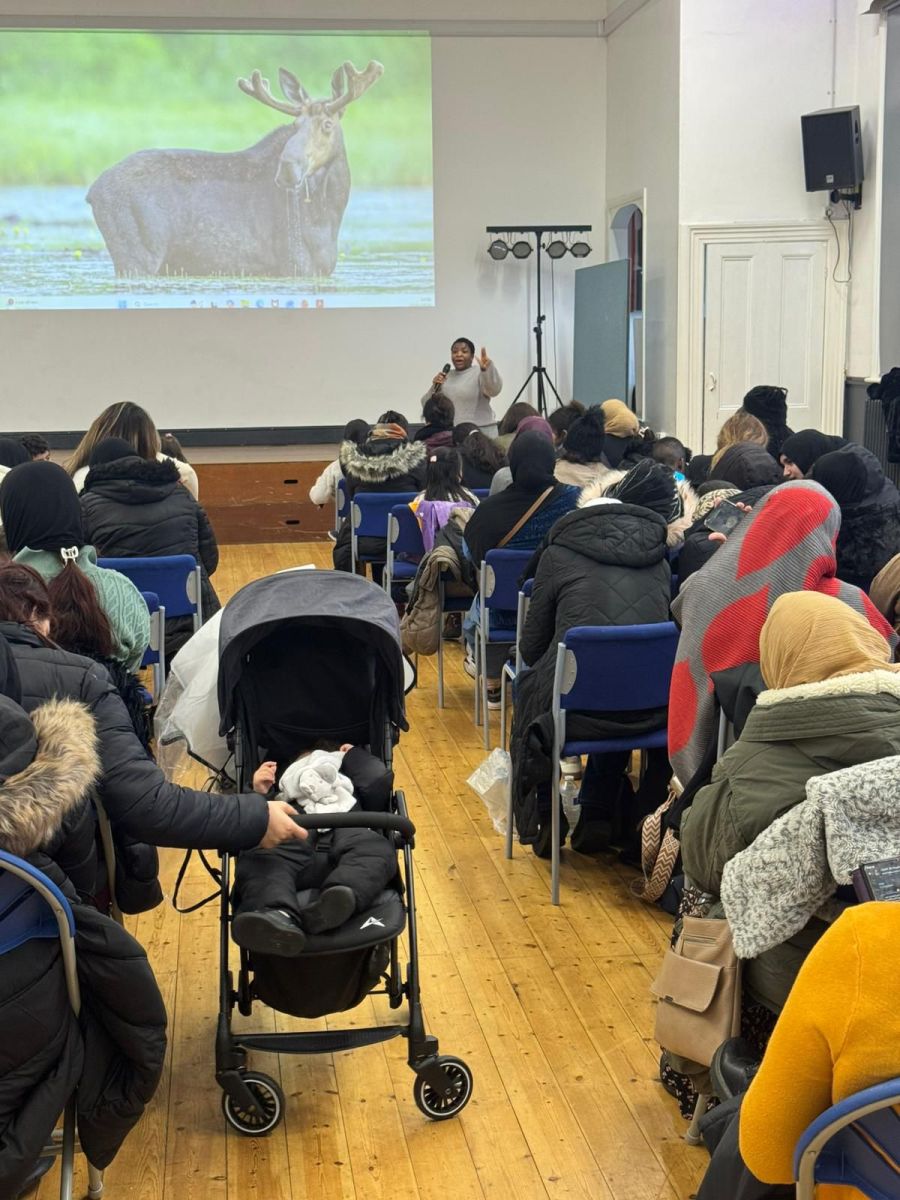
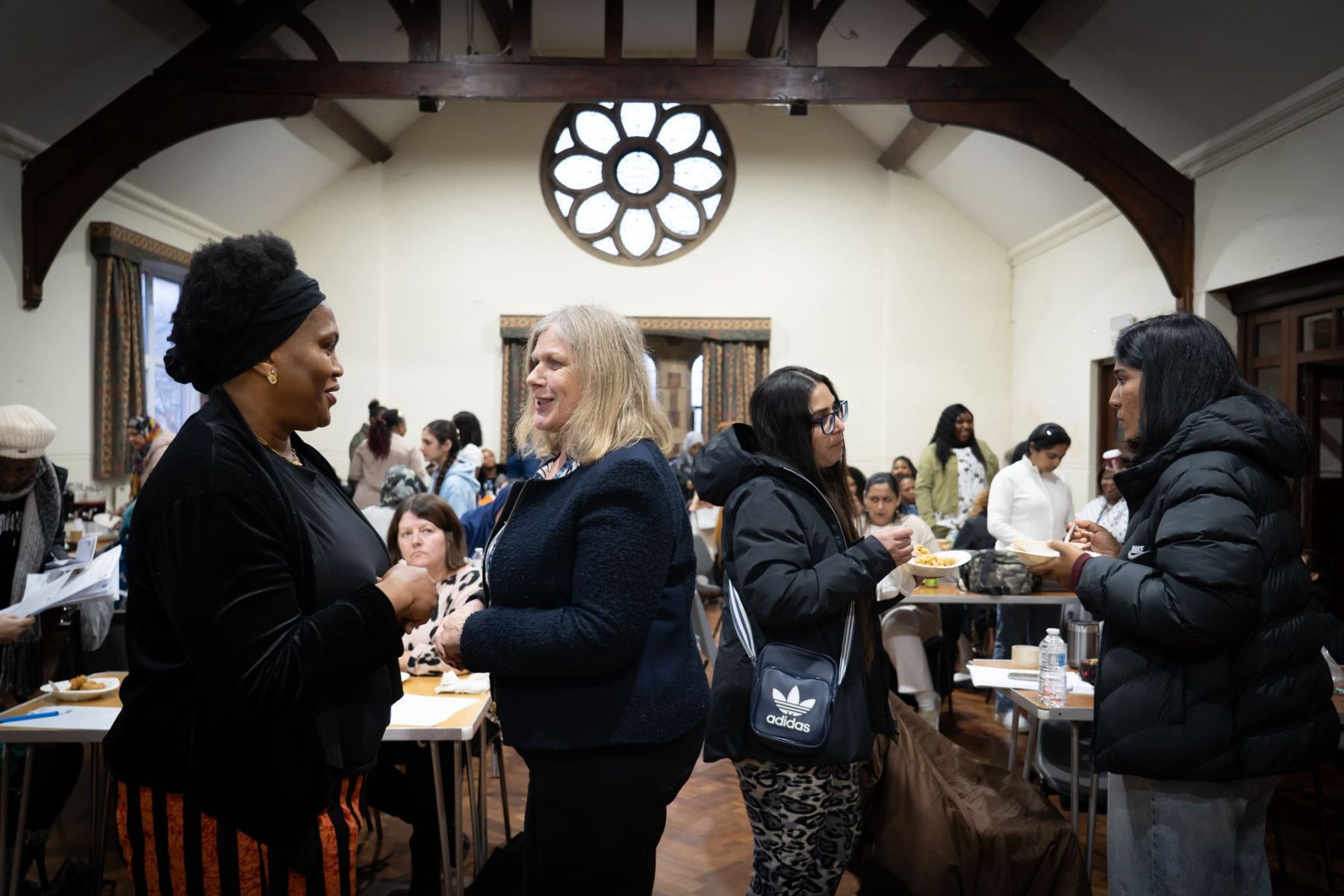
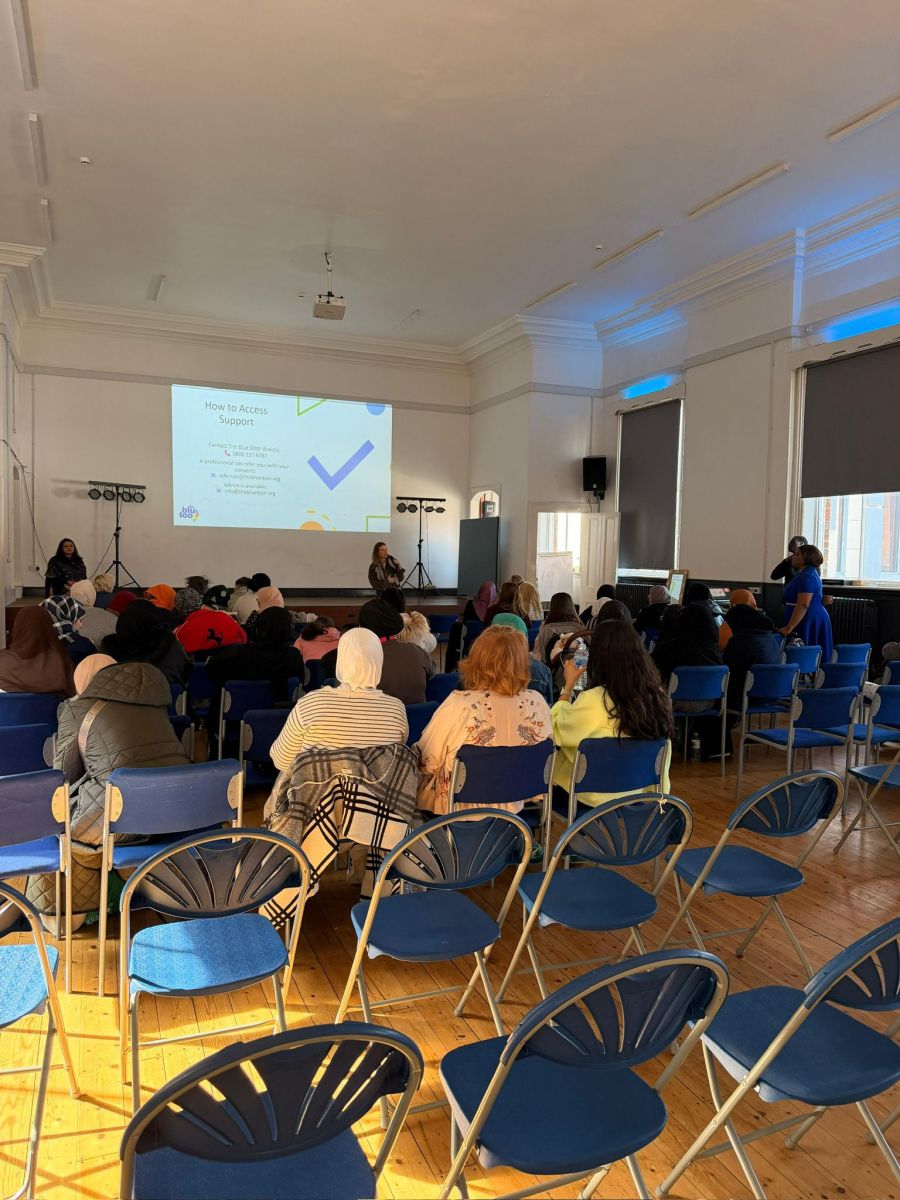
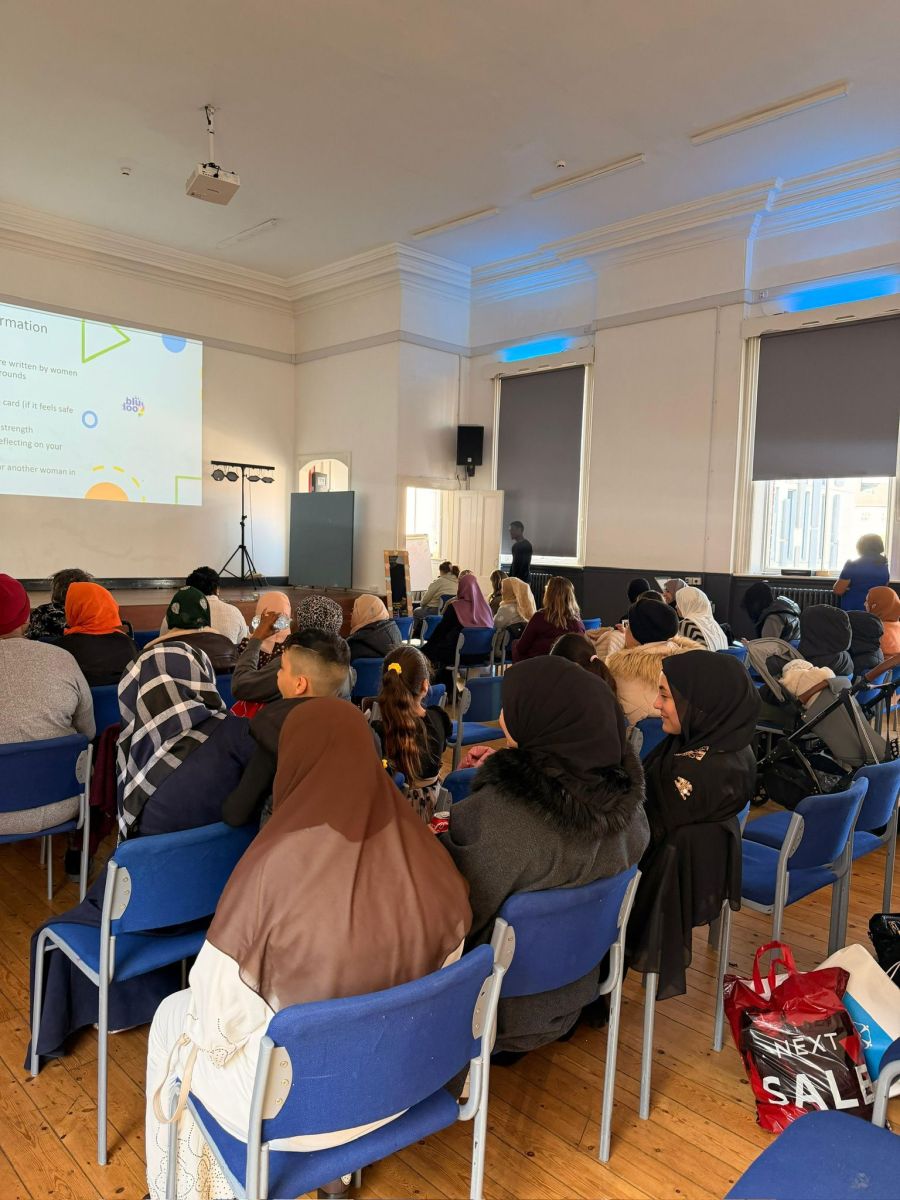
What made this project truly distinctive was its approach. Rather than delivering services to women, The Health Gospel CIC brought women together creating safe, welcoming wellbeing spaces where they could be themselves, speak freely, and feel genuinely heard.
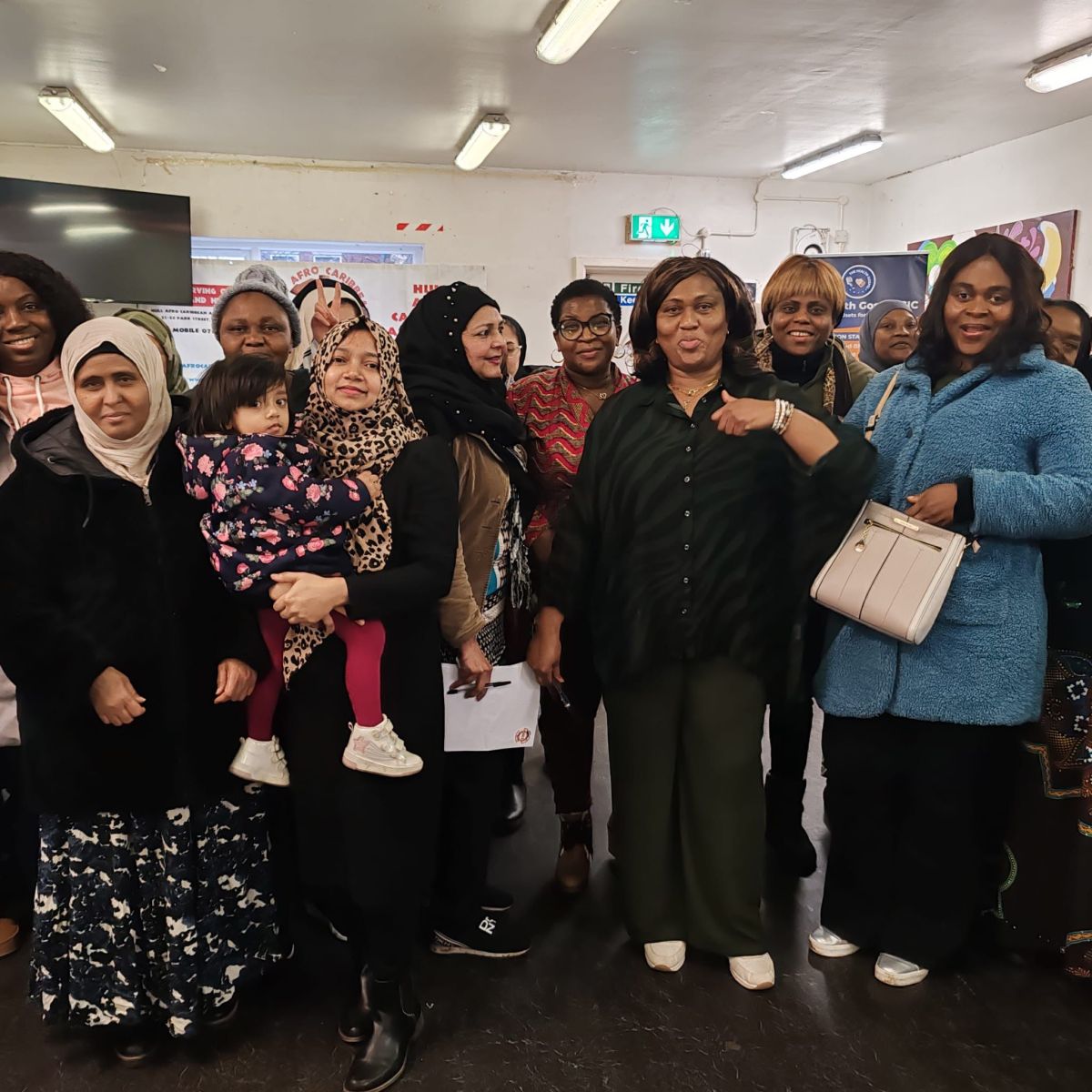
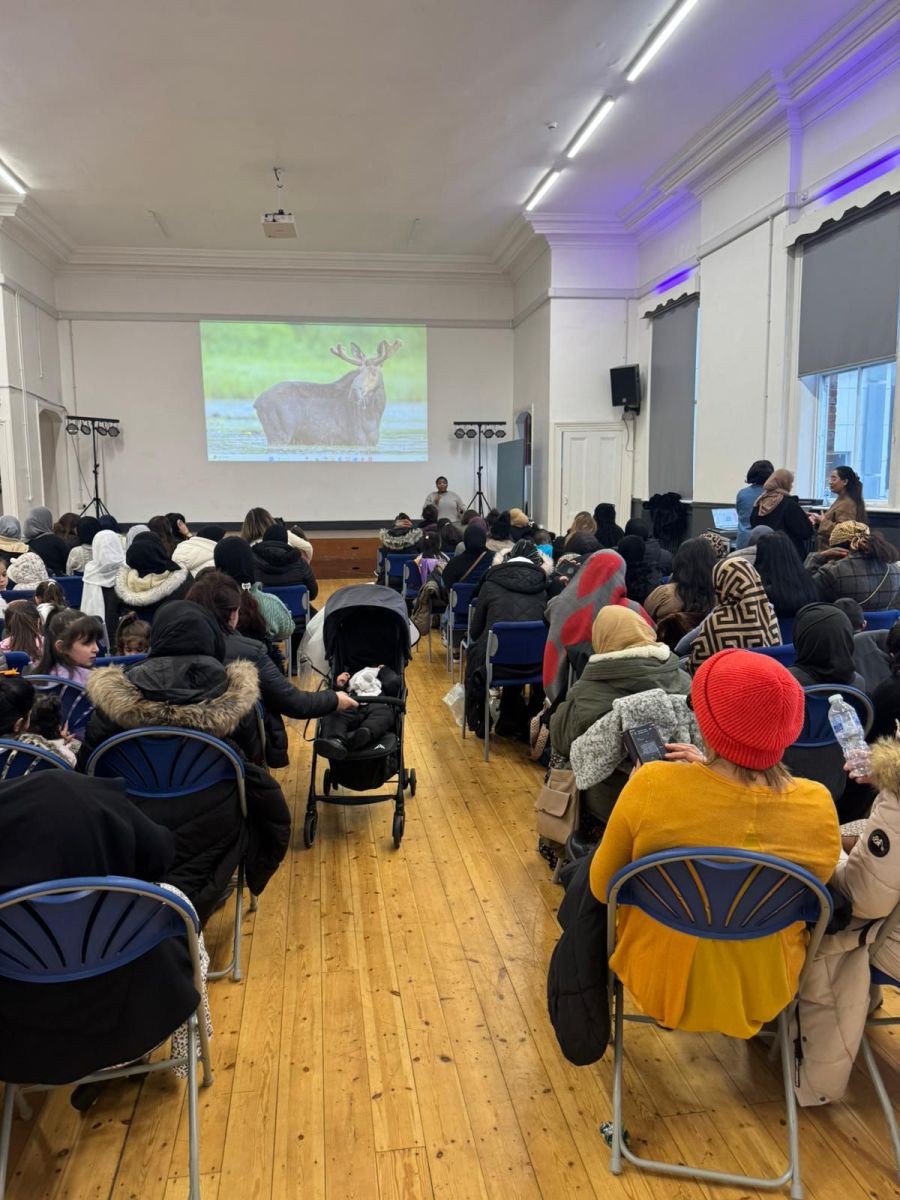
It was remarkable to see women come out in such numbers, sharing their experiences and engaging openly with topics that matter deeply to them. That community spirit was at the heart of everything.
“Working with communities, building community networks this is what gives you the right results. The methodology was quite unique, and the response from women in these communities was extraordinary.”
A Holistic, Public Health Approach
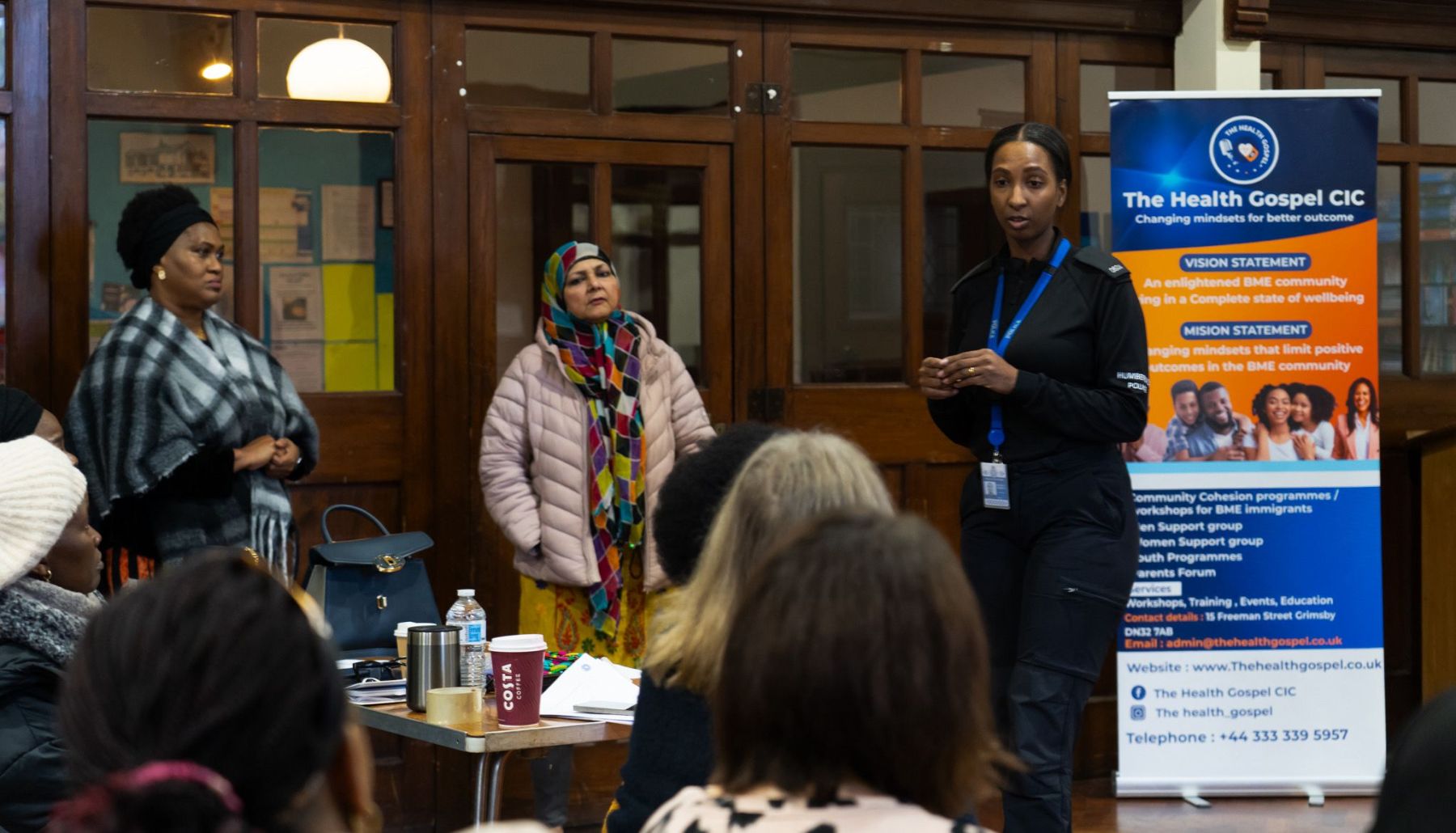
The project went beyond simply raising awareness of domestic abuse. Taking a holistic, public health approach, The Health Gospel CIC looked at the whole woman bringing in a range of professionals to address the specific issues that affect women directly.
Sessions covered self-confidence, menopause, general wellbeing, healthy ageing, dental health, physiotherapy, and more all woven together with awareness-raising around domestic abuse and the barriers to reporting it. This breadth of support is what made the project so impactful, and so beautiful in its design.
The Data & What Comes Next
Across the three regions, the project engaged over 700 women generating a rich and powerful body of data that tells a clear story about the barriers BAME women face when seeking help for domestic abuse.
This data has been submitted to the OSce of the Police and Crime Commissioner and shared across strategic boards. From it, we can identify trends, understand the specific barriers at play, and build a compelling evidence base for systemic change, ensuring that services are tailored to truly meet the needs of these women.
We are hopeful that the report will drive meaningful, lasting change, not just in how domestic abuse services are delivered, but in how communities are listened to, valued, and supported at every level.
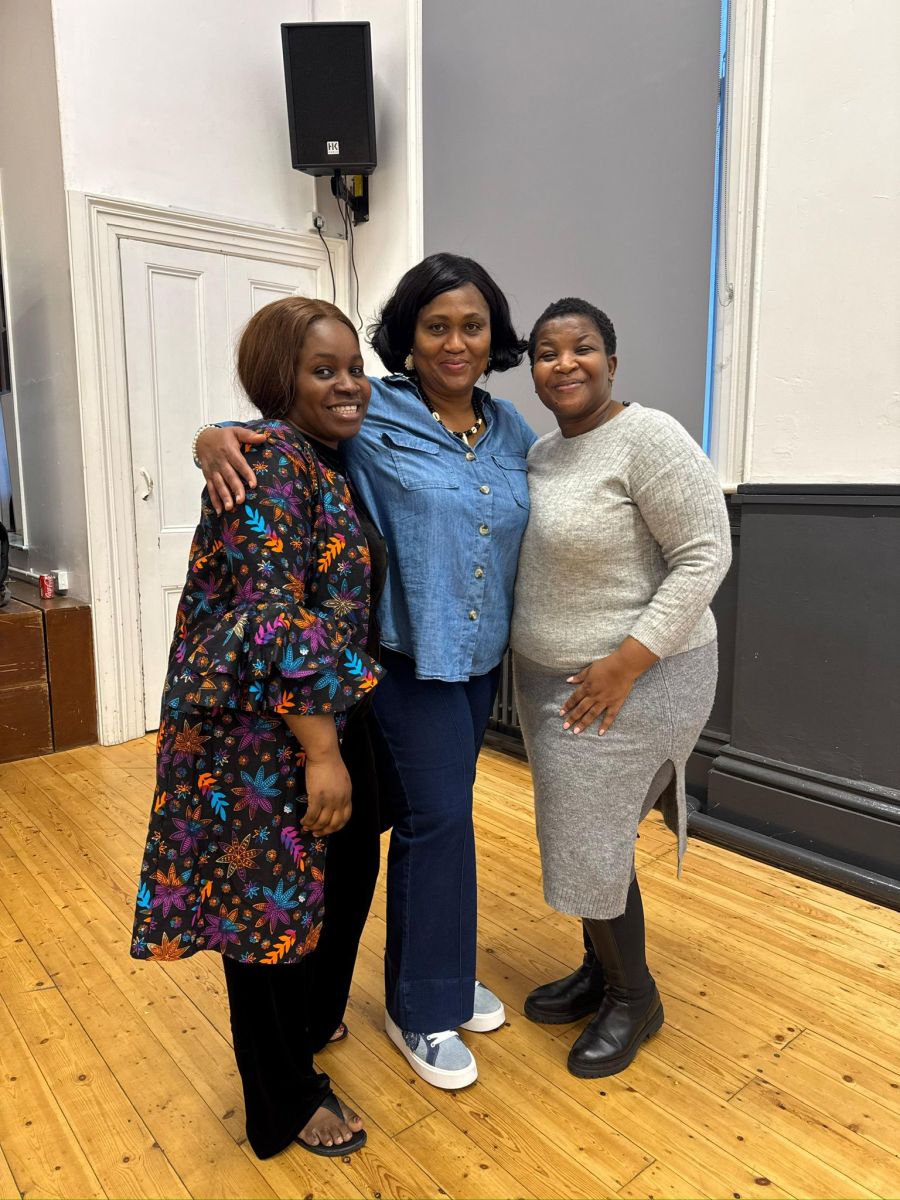
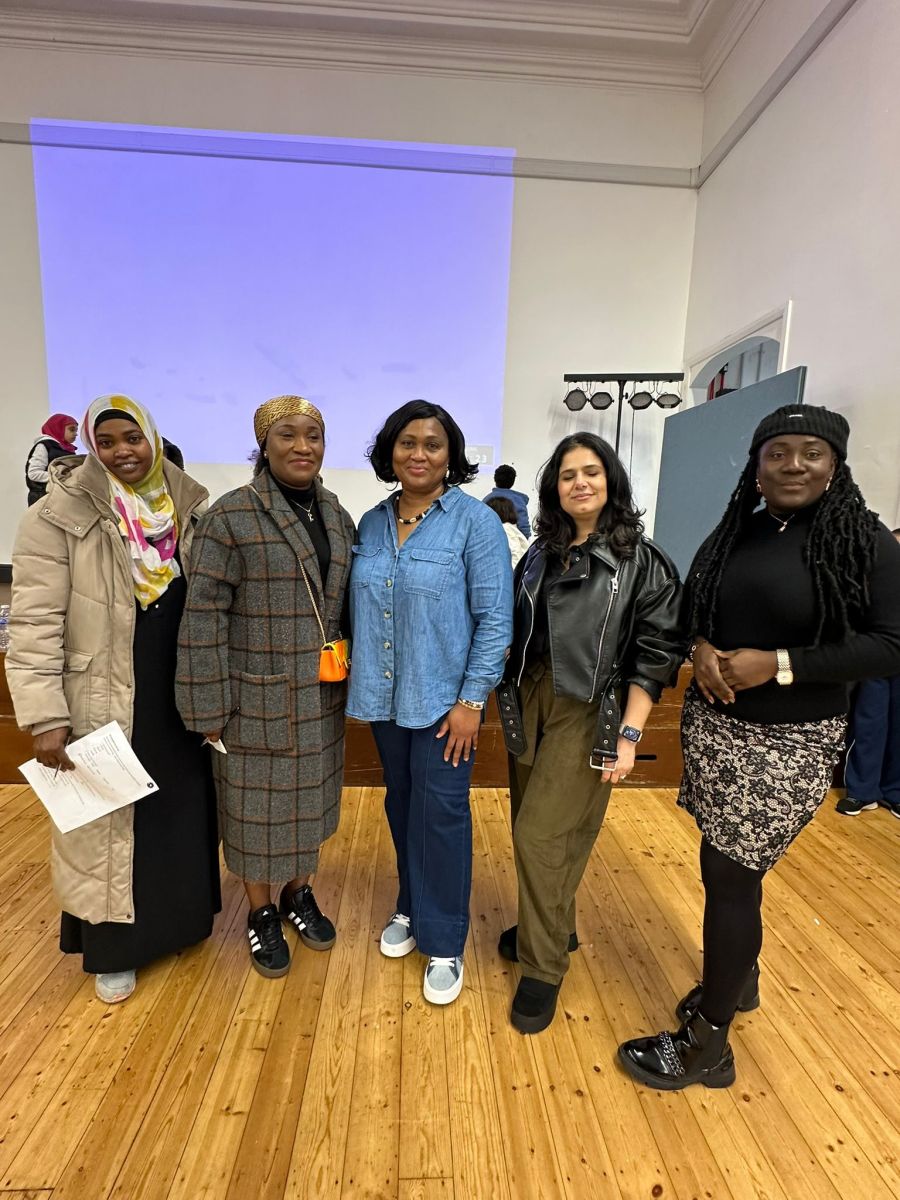
We are incredibly proud of what this team has achieved. The Breaking Barriers Project has shown what is possible when The Health Gospel CIC and its community partners come together with a shared purpose.
But the report is clear, there are significant gaps, and there is still much to do. The under-reporting of domestic abuse remains a serious public health issue that must be taken seriously and tackled at every level. As The Health Gospel CIC continues to work alongside organisations and local authorities, our commitment remains Krm: to bridge these gaps, break down these barriers, and ensure that every woman has access to the support she deserves.
The work continues.
Building Breaking Barriers, Building Bridges
Building Breaking Barriers, Building Bridges is The Health Gospel CIC programme commissioned by North Lincolnshire Council. Launched in June, the programme will run for 12 months, delivering vital work to support Black, Asian and Minority Ethnic (BAME) communities across North Lincolnshire.
The programme focuses on several key outcomes, including:
• Increasing knowledge and awareness of domestic abuse within BAME communities.
• Exploring the impact of intergenerational trauma through education and storytelling.
• Raising awareness of public health services, safeguarding, and carer support.
• Collecting valuable data to help improve services and address health inequalities.
At The Health Gospel CIC, we are passionate about supporting women and addressing the barriers they face. Being commissioned to deliver this programme is a significant milestone, demonstrating North Lincolnshire Council’s commitment to listening to and supporting BAME communities.
Evidence has shown that domestic abuse is significantly underreported within BAME communities in North Lincolnshire. We are encouraged that the Council has recognised this need and has taken proactive steps by commissioning this programme to raise awareness, build trust, strengthen support networks, and improve access to essential services.
Over the next 12 months, we will share stories, lived experiences, learning, and the impact of this journey as we work together to break down barriers, build bridges, and create lasting change for our communities.